How Media and Content Teams Shape Player Popularity and Merchandise Sales in Esports
Esports organisations no longer rely only on tournament victories to strengthen their position in the industry. By 2026, media departments, video editors, designers, social media managers and documentary producers have become central figures inside competitive clubs. Their work directly affects how players are perceived by fans, sponsors and commercial partners. A successful player today is not simply an athlete with strong statistics. Public visibility, personal storytelling, online interaction and recognisable branding now play an equally important role in career growth and commercial success.
The Role of Club Media Teams in Building Player Recognition
Modern esports clubs invest heavily in content production because audiences consume far more than match broadcasts. Fans follow players through interviews, behind-the-scenes videos, podcasts, travel diaries and live social media updates. Organisations such as Fnatic, G2 Esports, Team Liquid and NAVI operate media divisions that resemble production studios rather than standard marketing departments. These teams publish content daily across YouTube, TikTok, Instagram, Twitch and X, maintaining constant contact with audiences.
One of the strongest examples can be seen in the way clubs turn ordinary players into public personalities. A talented competitor may remain relatively unknown without media support, but consistent storytelling changes that situation quickly. Content teams highlight player routines, emotional moments after defeats, preparation before tournaments and communication inside the roster. This creates emotional attachment between audiences and players, making fans more likely to support both the individual and the organisation financially.
Media strategies also influence regional growth. In 2026, clubs increasingly localise content for different countries and language groups. Korean, European and Brazilian esports organisations often release separate edits, subtitles and social posts tailored to local audiences. This expands player recognition far beyond tournament viewers and creates international fan communities that continue to engage with clubs even outside active competitive seasons.
Why Personality Content Generates Stronger Fan Loyalty
Competitive results alone rarely guarantee long-term popularity. Many esports fans stay connected to players because of personality-driven content rather than tournament standings. Humorous interactions, honest interviews and informal streams create a stronger emotional connection than standard promotional campaigns. Clubs understand this and increasingly encourage players to appear natural rather than overly scripted.
Several successful esports personalities have demonstrated how authenticity increases engagement. Counter-Strike professionals, League of Legends stars and Valorant players who openly discuss training pressure, travel fatigue or team communication often attract more loyal audiences. Fans appreciate transparency because it makes players feel more relatable. This relationship encourages repeat viewership and strengthens trust in the club itself.
Content teams also analyse audience behaviour carefully. Data from YouTube retention, TikTok watch time and Twitch interaction helps organisations understand which players attract stronger reactions and which types of content perform best. As a result, clubs build personalised media plans around their most marketable players, increasing both fan engagement and sponsorship value.
How Social Media Campaigns Influence Merchandise Revenue
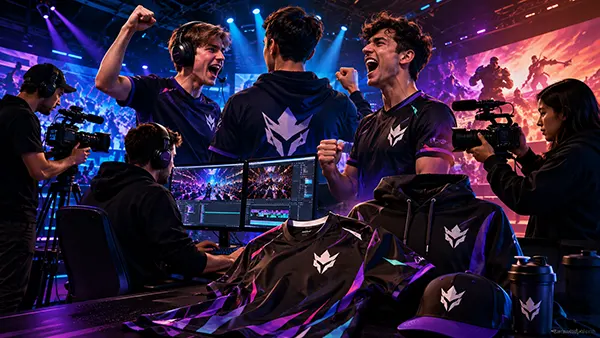
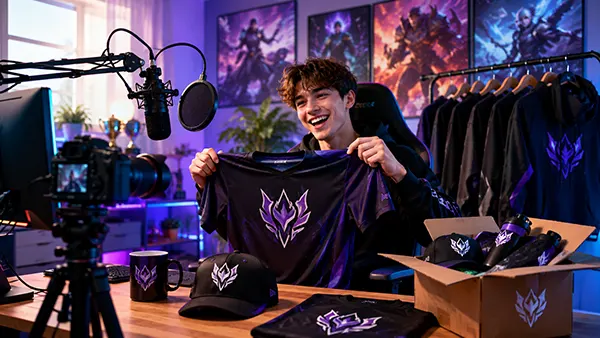
Merchandise sales in esports have changed significantly over the past few years. Jerseys, hoodies and limited collections are no longer promoted only through tournament broadcasts. In 2026, most successful sales campaigns are tied directly to player-focused media activity. Clubs use social videos, product reveals, documentary episodes and influencer collaborations to increase anticipation before new merchandise launches.
Limited-edition collections connected to specific players now generate some of the strongest sales figures in esports retail. Fans are more willing to purchase products when they associate them with a favourite competitor rather than simply with a team logo. Organisations like 100 Thieves and Karmine Corp have successfully combined streetwear aesthetics with player branding, creating merchandise that appeals even outside gaming audiences.
Media departments also play a critical role during tournament periods. Before major championships such as the League of Legends World Championship or the Counter-Strike Major, clubs release cinematic trailers, training videos and team documentaries that increase emotional investment. Merchandise sales usually rise alongside these campaigns because supporters want to feel connected to the competitive journey.
The Impact of Short-Form Video on Esports Product Sales
Short-form content has become one of the strongest commercial tools in esports marketing. TikTok, Instagram Reels and YouTube Shorts allow clubs to distribute clips rapidly and reach audiences that may never watch full matches. Media teams create fast-paced edits featuring player reactions, celebrations, team jokes and match highlights, often integrating merchandise naturally into the content.
This strategy works particularly well among younger viewers. Audiences aged between 16 and 28 increasingly discover esports personalities through social clips rather than tournament streams. A viral moment can significantly increase traffic to online stores within hours. Clubs track these spikes carefully and often synchronise product launches with major content releases to maximise conversions.
Another important factor is accessibility. Short-form videos require less commitment from viewers and can spread across multiple algorithms quickly. A single clip featuring a popular player wearing a limited jersey may reach millions of users globally. For esports organisations operating in highly competitive entertainment markets, this visibility creates a direct connection between content performance and retail income.
Why Content Quality Has Become a Competitive Advantage for Clubs
By 2026, esports organisations compete not only in tournaments but also in digital entertainment production. Clubs with stronger media output often attract larger sponsors, higher audience engagement and better commercial partnerships. Production quality now influences how professional an organisation appears to investors and advertisers. Well-produced documentaries, polished editing and consistent visual identity help clubs establish credibility in a crowded market.
Some organisations have expanded media operations beyond gaming audiences entirely. Documentary series about player development, mental preparation and team culture attract viewers interested in sport and entertainment generally. This broader reach increases sponsor exposure and allows clubs to negotiate more valuable brand deals. In many cases, media departments contribute as much to organisational growth as competitive divisions.
Another important trend is the integration of AI-assisted production tools. Many clubs now use automated subtitle generation, multilingual voice adaptation and performance analytics to speed up content distribution. However, audiences still respond most positively to human-driven storytelling and authentic player interaction. Successful organisations combine technology with creative editorial work rather than replacing it completely.
How Esports Clubs Balance Commercial Goals and Audience Trust
Commercial growth creates challenges for esports organisations because audiences quickly react to content that feels overly promotional. Clubs that publish only advertising-focused material often experience lower engagement rates. Modern media teams therefore aim to balance entertainment, authenticity and commercial integration carefully.
Transparency has become especially important in sponsored campaigns. Fans expect clear communication when players promote products or collaborate with external brands. Organisations that maintain honest relationships with audiences usually achieve stronger long-term loyalty and more stable merchandise revenue. This is particularly visible among community-focused clubs whose supporters value authenticity above aggressive marketing.
Esports media teams will likely continue expanding their influence over the next several years. As competitive gaming grows further into mainstream entertainment, player popularity will depend increasingly on storytelling, social visibility and audience interaction. Clubs that understand how to combine competitive success with strong media production will remain in a stronger commercial position across sponsorships, merchandise and fan retention.