How Professional Esports Teams Prepare for Major Tournaments in 2026
Competitive esports in 2026 has developed into a structured global industry with professional organisations, analysts, sports psychologists and coaching staff working together long before a tournament begins. Major competitions such as The International in Dota 2, the League of Legends World Championship, the Counter-Strike Major and VALORANT Champions involve months of preparation. Teams now approach these events with processes similar to traditional sports clubs, combining tactical study, data analysis, physical health management and mental training. Understanding how teams prepare provides useful insight into what actually determines success at the highest level of esports competition.
Strategic Preparation Before a Major Tournament
Preparation usually begins several months before the event. Coaching staff analyse the competitive meta of the current season, paying close attention to patch updates, hero or agent balance changes, and tournament trends. In games such as League of Legends or Dota 2, even small balance adjustments can dramatically change team strategies, forcing organisations to redesign their drafts and overall playstyle.
Teams also collect extensive data on their potential opponents. Analysts review match replays, identify recurring tactical patterns and track player tendencies. For example, analysts may record how often a Counter-Strike player chooses specific bomb sites or how frequently a VALORANT team executes certain utility combinations on specific maps.
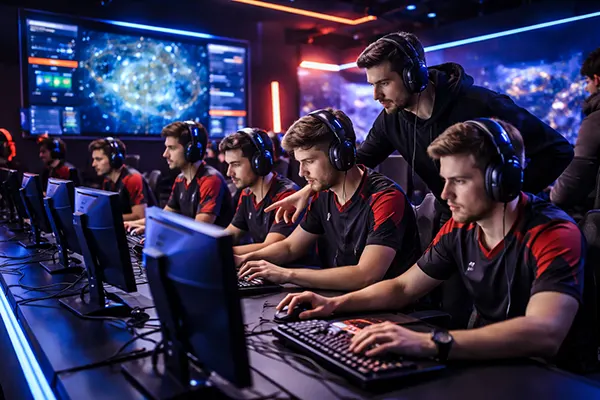
Scrim sessions are another central element of preparation. These structured practice matches allow teams to test strategies against other professional squads. In 2026 most top teams schedule multiple scrims per day during training periods, often against opponents from different regions to simulate varied competitive styles.
Role of Data Analysis and Match Review
Modern esports organisations rely heavily on statistical analysis. Performance metrics such as kill-death ratios, objective control rates, utility efficiency and reaction time are tracked during both official matches and scrims. Analysts transform these numbers into reports that help coaches refine tactical decisions.
Video review sessions remain a daily routine for professional teams. Players watch their previous games alongside coaching staff to identify positioning mistakes, communication issues and inefficient resource usage. These reviews often focus on specific rounds or moments that changed the outcome of a match.
Another growing practice in 2026 is the use of automated replay analysis tools. These systems can detect patterns across hundreds of matches, highlighting tendencies that human analysts might miss. Teams use this information to build targeted strategies against specific opponents before tournament stages begin.
Physical and Mental Conditioning of Players
Esports performance is no longer viewed purely as a matter of mechanical skill. Professional organisations increasingly treat player health as a competitive factor. Long tournament schedules, travel demands and extended practice sessions require players to maintain both physical and mental resilience.
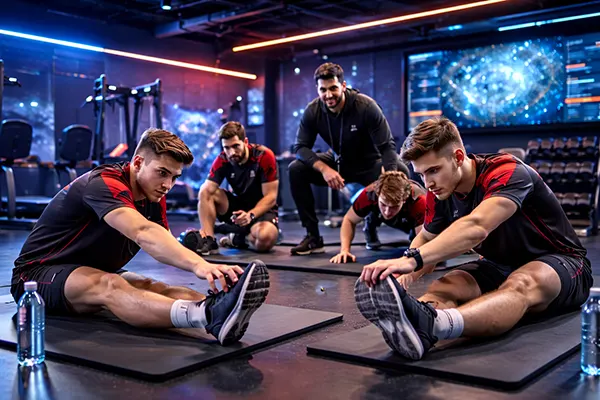
Many teams now employ physical trainers who design exercise routines aimed at improving posture, endurance and injury prevention. Wrist strain and back problems were common among early esports professionals, but structured training programmes introduced in recent years have helped reduce these risks.
Sleep management is also considered a performance factor. Teams travelling between regions often arrive several days early to adapt to local time zones. Stable sleep cycles allow players to maintain consistent reaction times and decision-making ability during long tournament days.
Psychological Training and Team Communication
Sports psychologists are now common staff members in top esports organisations. Their work focuses on managing stress during high-pressure matches, maintaining concentration and helping players recover mentally after losses. This support is particularly important during long tournament brackets where momentum can quickly shift.
Communication training is another key area. Many esports games require constant information exchange between players. Teams practise structured call-outs, concise reporting of enemy positions and coordinated decision making under time pressure. Poor communication often leads to tactical breakdowns even when individual skill is strong.
Confidence management is also part of psychological preparation. Coaches and psychologists work with players to build routines that help them remain calm during decisive moments such as overtime rounds or championship matches. Consistent mental discipline often separates stable teams from those that struggle in crucial games.
Bootcamps and Final Preparation Before Competition
In the weeks before a major tournament, many teams organise intensive training camps known as bootcamps. During these periods players train together in the same location, usually at the organisation’s training facility or near the tournament venue. Bootcamps allow teams to practise without distractions and maintain consistent daily routines.
Daily schedules during bootcamps are carefully structured. Teams typically combine several scrim blocks with strategy discussions, replay reviews and individual practice sessions. Between these activities players often participate in physical exercise or short rest periods designed to maintain focus.
Bootcamps also help strengthen team cohesion. Living and training together improves interpersonal communication and helps players develop trust in each other’s decisions. This cohesion becomes particularly valuable during stressful tournament stages where quick coordination is essential.
Tactical Adaptation During Tournament Stages
Preparation does not stop once the tournament begins. Coaching staff constantly analyse ongoing matches and update strategies between stages. Opponents may reveal new tactics during group play, forcing teams to adapt their approach before playoff matches.
Draft strategy adjustments are common in games with character selection phases. Coaches study which heroes, agents or champions are performing best during the event and adjust their draft priorities accordingly. Flexible drafting can give teams a major advantage during elimination matches.
Finally, recovery between matches is carefully managed. Players often have limited time between games, especially during group stages. Teams focus on short review sessions, mental reset techniques and clear tactical planning so that players enter the next match prepared rather than overwhelmed.